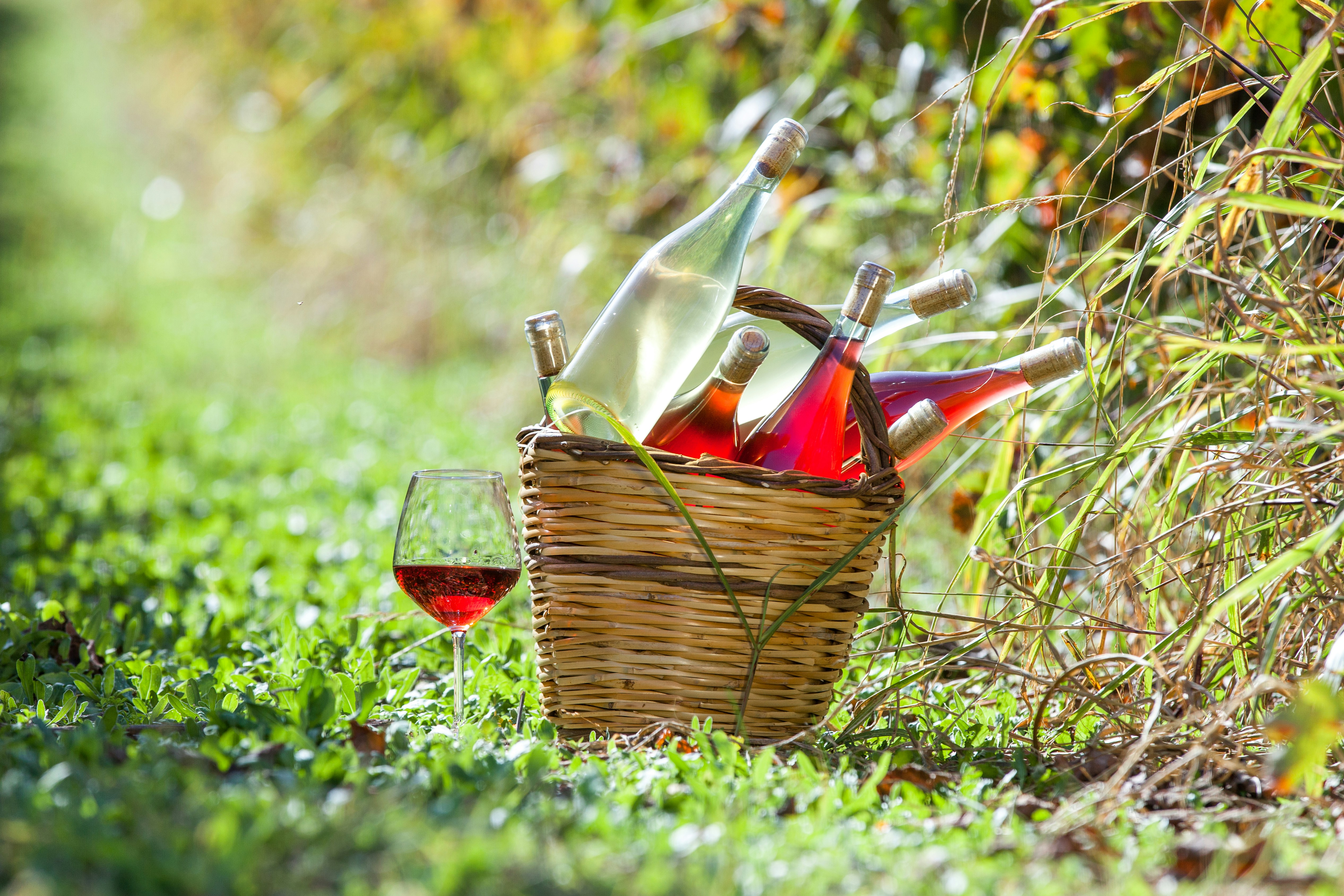
How to Start a Micro-Winery from Scratch (Even Without a Vineyard)
You love fermentation. You've got a few carboys, some ideas bubbling, but no vineyard, no formal training, and no real place to start.
Good. This guide will help you take the very first step, fruit by fruit, decision by decision.
❉ You Don't Need a Vineyard to Make Wine
Let's get this out of the way first.
You don't need a vineyard.
You don't even need grapes.What you need is a vision, a method, and a structure that suits your scale, your fruit, and your goals.
You can start your wine project with:
Grapes, apples, berries, pears, honey, maple syrup, botanicals...
A 20-liter carboy or small tank
Your own kitchen, garage, or repurposed farm space
It's not about starting big. It's about starting aligned.
❉ Define Your Vision First (Before You Buy Anything)
Before you buy a single piece of equipment, pause and ask yourself:
✧ What kind of wine or cider do I want to create?
✧ Is this a passion project or a business idea?
✧ Do I want to experiment with different fruits and styles, or perfect one recipe?
✧ Who do I want to serve or share it with?Your answers will shape everything: the size of your production, the type of equipment, the layout of your space, the permits you may (or may not) need, and further down the road, your market placement and sales strategy.
Want to clarify your vision further? Download my free guide, the Winery Startup Blueprint: Ten focused questions to design an aligned, profitable, and scalable microproduction and take your first confident steps from dream to production.
❉ The 7 Essential Steps to Start a Microproduction
1. Choose your fruit and product identity
✧ Grape? Apple? Strawberry? Honey? Maple?
✧ Dry? Sweet?
✧ Still? Sparkling?
✧ How many different products?
✧ What's your ultimate production volume?2. Experiment in tiny batches
✧ Start with 20 to 50-liter batches.
✧ Test different yeasts (or natural fermentation), fruit concentration, and maceration times.3. Track your process
✧ Use a simple notebook or spreadsheet to note everything: dates, temperature, gravity, flavor, aroma, and any other details that feel relevant. There's no such thing as too many notes. You'll need them all when it's time to scale up.
✧ Want a head start? I've developed simple, highly efficient record-keeping tools that I use personally and share with all my clients. They come in both printable and Excel versions, so you can choose what works best for you. [Download them here.] One purchase, yours for life. Highly recommended.
4. Clean and sanitize like your life depends on it
✧ This isn't romantic, but it's essential. Hygiene is non-negotiable.
5. Taste, blend, adjust
✧ Trust your palate. Learn by doing.
6. Bottle and label
✧ Keep it simple: crown caps or swing tops, handwritten tags. It's part of the charm. (As long as everything is cleaned and sanitized!)
✧ Store and age your bottled products in ideal conditions.7. Share, sell, or scale
✧ Get feedback forms to friends. Join local events. Start small, scale with confidence.
❉ Basic Equipment You'll Actually Use
Here's what most beginners overestimate: you don't need an industrial setup to begin.
Here's what you really need to start:
✧ Food-grade fermentation vessel (carboy, bucket, or tank)
✧ Airlock (to release gas and keep air out)
✧ Racking cane and wine thief (for transfer and tasting)
✧ Hydrometer or refractometer (to measure sugar levels)
✧ Sanitizer (to prevent contamination)
✧ Bottles, caps, or corks (for bottling)
✧ Notebook (track everything)Optional but helpful: pH meter, titratable acidity kit, unchlorinated water, stainless steel kitchen tools (sieve, funnel, whisk), brushes and cloths, food-grade buckets, small press, immersion cooler, tasting glasses.
❉ Common Mistakes to Avoid (I've Seen Them All)
✧ Trying to scale before understanding your method
✧ Skipping the sanitation step because it feels "natural"
✧ Testing too many variables at once, then not knowing what worked
✧ Not writing things down (seriously!)Remember: this is not about perfection. It's about building knowledge through experience.
❉ You're Not Late. You're Early.
Most people wait too long.
They wait for the perfect space.
The perfect label.
The perfect idea.But winemaking, like fermentation, thrives on transformation over time.
Start small. Stay curious. Ask for help. The earlier, the better.
❉ Now
Choose a fruit you love.
Start with one batch.I can't wait to see what you create.
WANT TO WORK TOGETHER?
If you're dreaming of launching your own wine or cider project or bringing more clarity to the one you already have, I'm here to help.
A no-commitment 15-minute session designed to:
Review your current production reality or project direction
Identify key challenges
Clarify your most aligned next step
Determine whether deeper support would be helpful at this stage
I am truly looking forward hearing about your project!
Alexandra
Quick Note
This article is educational and meant to support decision-making. Every cellar, product, and regulatory context is different. Always adapt to your reality, your risk tolerance, and your stability goals.

